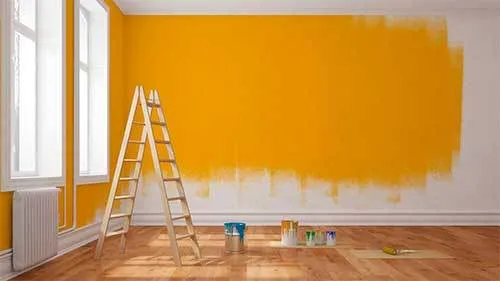
The best time to paint outside in Miami is the dry season, from about mid October to mid May. Exterior painting still goes on all year here, because it never gets too cold. In summer the work is planned around rain.
What is the best time of year to paint the outside of a house in Miami?
The best months are in the dry season. The National Weather Service office in Miami counts May 15 to October 15 as South Florida's rainy season and says 60 to 70 percent of the year's rain falls in it. That leaves mid October to mid May as the drier, less humid stretch.
Winter and spring also bring lower humidity, so walls dry faster after washing and paint cures well. Painters are busiest then, so book early.
Can you paint outside when it is raining or about to rain?
No. Paint must not go on a wet wall, and it needs dry hours after it goes on. Fresh paint hit by rain can streak, spot or wash off.
In the Miami rainy season, showers and thunderstorms build on most days. Exterior painting starts early and stops with enough time for the last section to dry before the storms arrive.
It rained a few hours after painting. Is it ruined?
Usually not. If the paint had a few hours to dry before the rain, it is often fine. Light rain after the surface has skinned over does little harm.
Heavy rain on paint that was still wet is another matter. Look for streaks, runs, a blotchy sheen or a soapy residue once the wall is dry. Affected areas can be washed and recoated. Paint labels give the dry time needed before rain.
How long after rain before stucco or siding can be painted?
Wait until the wall is dry all the way through, which after rain is usually at least a day of dry weather for stucco. Stucco and concrete block hold water longer than wood or metal.
Shaded walls, walls near the ground and the days after a long soaking need more time. A moisture meter gives a sure answer. The same wait applies after pressure washing.
How cold is too cold to paint outside?
It is too cold when the air or the wall is below the minimum on the paint label, which for many exterior paints is 35 to 50 degrees. In Miami this almost never stops work.
A cold front in January can bring a chilly morning. Waiting until the sun warms the wall solves it.
How hot is too hot, and is direct sun a problem?
Yes, direct sun is a problem. A wall in full summer sun can be far hotter than the air, and paint put on a hot wall dries too fast. It can blister, show lap marks and fail to bond.
The answer is to follow the shade around the house: the west side in the morning, the east side in the afternoon. Paint labels list a maximum temperature. Heat is also hard on the crew, so summer days start early.
Can you paint inside in summer or in winter with the windows closed?
Yes. Interior painting works all year in Miami, with the windows closed and the air conditioning on. Air conditioning dries the air, which helps water-based paint dry.
Open windows on a humid summer day slow drying and let damp air in. Modern low-odor paints make closed-window painting comfortable.
What do salt air and humidity do to exterior paint?
Salt and humidity shorten the life of exterior paint. Salt carried from the bay and ocean settles on walls and metal. It holds moisture, rusts steel and gets under weak paint. Humidity feeds mildew on shaded walls.
That is why washing comes first on every exterior job here, and why homes in Miami Beach and along the bay need it most.
Should I paint before or during hurricane season?
Paint before the season if you can. The Atlantic hurricane season runs from June 1 to November 30. Sealed cracks, sound caulk and a good paint film help keep wind-driven rain out of block walls.
During the season we watch the forecast and do not start a wall that a storm will hit before it dries. After a storm, walls need time to dry out before any paint goes on.
A free estimate with a written quote is the only way to get a real price for your job. Call or text (786) 745-7109.